

The Year Savannah Became a Christmas Gift
By Allison Ulsh
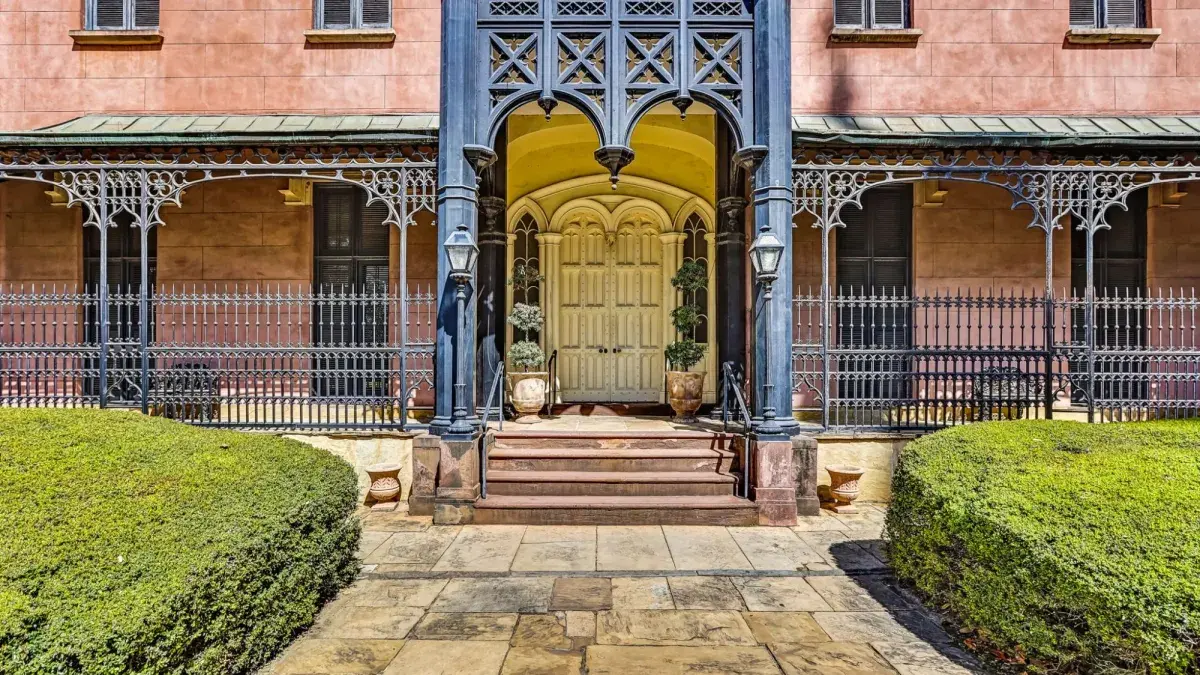
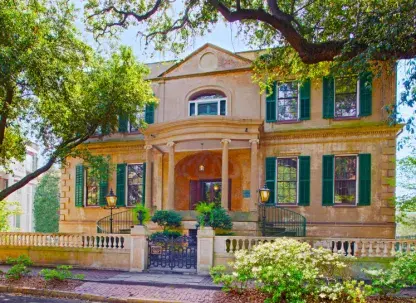
The Green-Meldrim House
Every December, Savannah wraps itself in twinkling lights, red velvet ribbons, and evergreen garlands, looking every bit like a gift waiting to be unwrapped. Yet more than 160 years ago, the city actually was presented as a holiday gift in one of the most famous telegrams in American history.
On December 22, 1864, just days before Christmas, Union Major General William Tecumseh Sherman sat down in a grand Savannah parlor and drafted a message to President Abraham Lincoln:
“I beg to present you as a Christmas gift the city of Savannah, with 150 heavy guns and plenty of ammunition, also about 25,000 bales of cotton.”
Today, visitors strolling beneath Savannah’s moss-draped live oaks and admiring its preserved 19th-century architecture are walking through a city whose beauty survived the Civil War largely because of the dramatic, peaceful surrender behind that holiday dispatch.
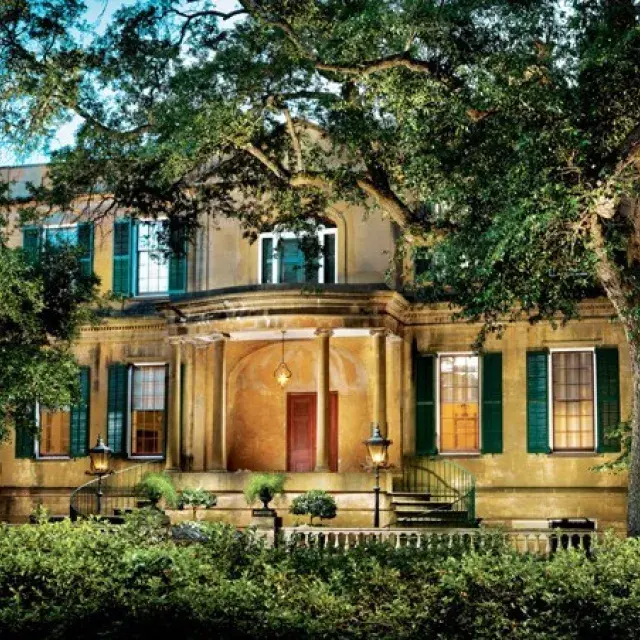
Owens-Thomas House

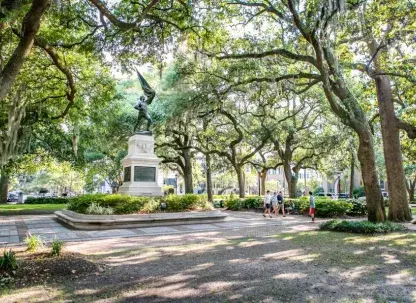
Madison Square
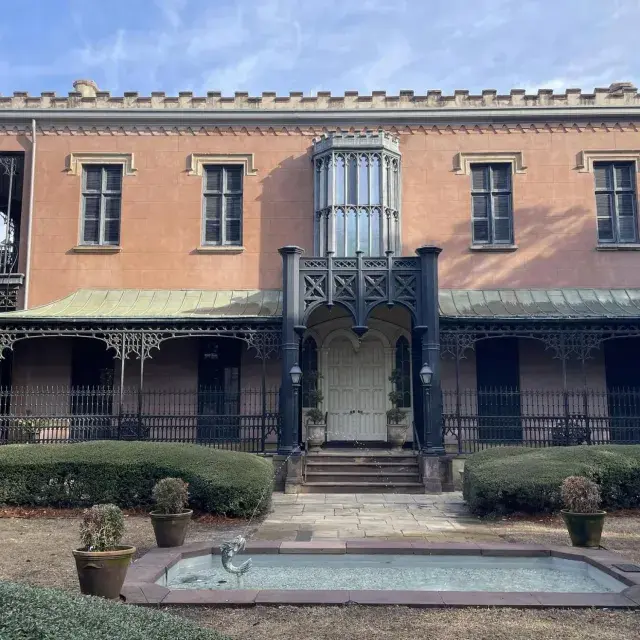
Green-Meldrim House
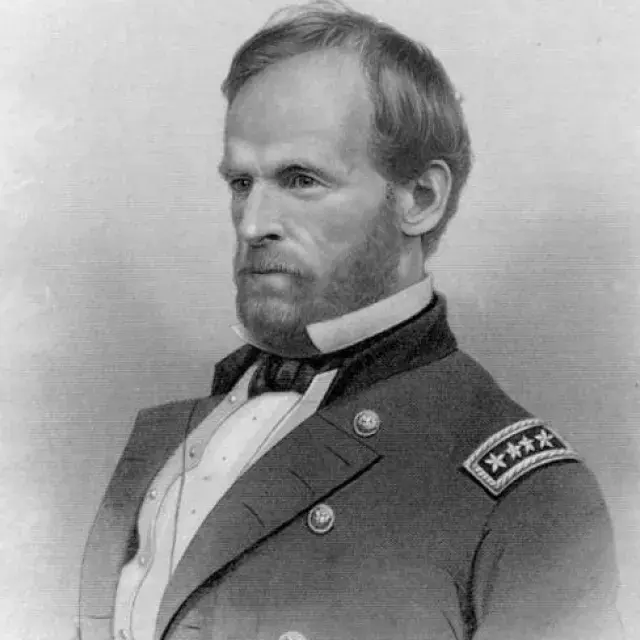
William T. Sherman
From The History of the State of Georgia, by I. W. Avery
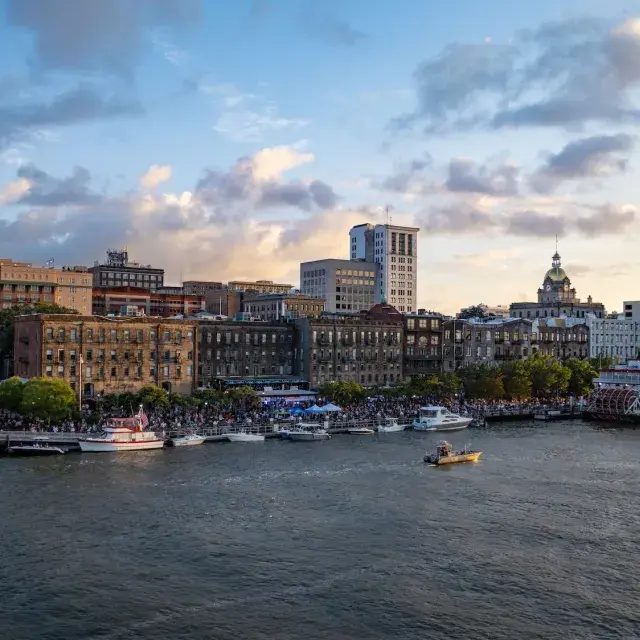
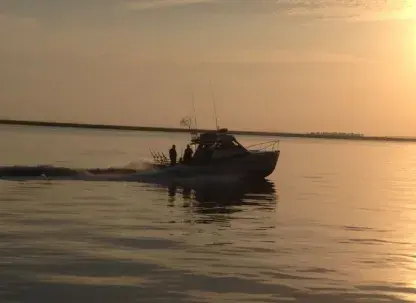
Breathtaking River Street at sunset, Savannah, GA.

Fort McAllister State Park
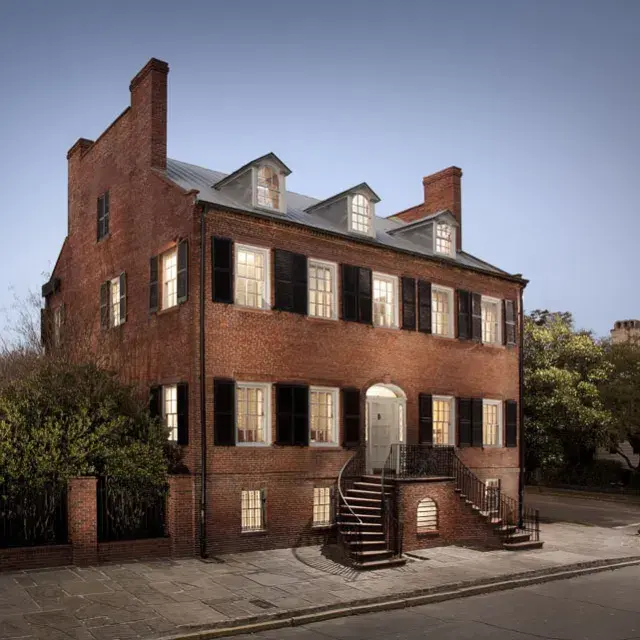
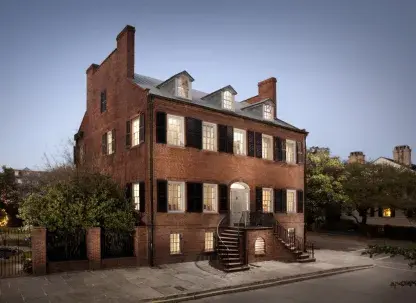
The Davenport House
Reaching the Sea Without Burning the City
By late 1864, Sherman’s March to the Sea had carved a wide path across Georgia from Atlanta toward the coast. As his 60,000-strong Union army closed in on Savannah in December, local leaders and residents feared the port city would meet the same fiery fate as Atlanta.
Instead, Savannah’s capture unfolded through strategy rather than street-by-street destruction. After Union forces seized Fort McAllister on December 13, opening a vital supply line to the U.S. Navy offshore, Confederate General William J. Hardee realized his outnumbered garrison was trapped. Rather than risk a devastating siege inside the city, Hardee quietly evacuated his troops across the Savannah River into South Carolina on the night of December 20.
The next morning, Savannah’s Mayor Richard D. Arnold rode out to formally surrender the city, asking only that Union forces protect its citizens and property. Sherman agreed, and on December 22, he sent his unforgettable Christmas message north to Washington.
Why Savannah Was Such a Monumental Prize
To President Lincoln and a war-weary Union, Savannah was far more than a clever holiday headline. Capturing Georgia’s oldest city meant securing a major Atlantic port, giving Union forces a crucial coastal foothold and supply hub, effectively severing a key Confederate lifeline to the sea. It also meant claiming valuable stores, including 150 heavy artillery pieces, vast ammunition reserves, and roughly 25,000 bales of cotton – a major economic asset. Finally, securing Savannah signaled a critical turning point in the war. Coming just weeks after Lincoln’s reelection, the peaceful fall of Savannah delivered massive morale momentum at the close of 1864.
What the Arrival of Union Troops Meant for Savannahians
For the people living inside Savannah, that December marked a profound shift. Under Sherman’s orders, daily life stabilized surprisingly quickly—shops reopened, churches held Christmas services, and Savannah’s historic homes, churches, and iconic squares were spared the torch.
Most significantly, the Union occupation brought immediate and transformative change for Savannah’s enslaved Black population. Thousands of enslaved men, women, and children gained their freedom as Union troops arrived, and Savannah soon became the setting for pivotal conversations about Black land ownership and post-war freedom. Just weeks later, in January 1865, Sherman and Secretary of War Edwin Stanton met with 20 local Black ministers and community leaders at the Green-Meldrim House in a historic gathering that led directly to Sherman’s famous Special Field Orders No. 15 (widely remembered as the "40 acres and a mule" directive).
Where to Walk Through This History Today
One of the best parts of visiting Savannah during the holidays—or any time of year—is that the landmarks tied to December 1864 are still standing and ready to explore:
- The Green-Meldrim House (Macon St.): Located on Madison Square, this stunning Gothic Revival mansion served as General Sherman’s Savannah headquarters—the very place where he penned his famous Christmas telegram to Lincoln and met with local Black leaders in January 1865. Guided tours offer an up-close look at the rooms where history happened.
- Fort McAllister State Park (Richmond Hill): Located just south of Savannah along the Ogeechee River, these remarkably well-preserved earthwork fortifications mark the final obstacle Sherman’s troops captured before Savannah fell. Visitors can walk the grounds, tour the museum, and take in sweeping marsh views.
- Historic Squares & River Street: Strolling Savannah’s preserved 18th- and 19th-century squares, the former warehouses along Factor’s Walk, and the cobblestone riverfront lets you see firsthand the architectural treasures that survived because Savannah was surrendered peacefully rather than destroyed.
- The Davenport House Museum (Broughton St.) & Owens-Thomas House & Slave Quarters (Abercorn St.): While built decades before the Civil War, these historic house museums deepen the story of 19th-century Savannah life, offering essential context on both the city's preservation and the lives of the enslaved people who built and sustained it.
Discover the Stories Behind the Season
Savannah’s holiday magic shines brightest when you pair its festive lights and carriage rides with the rich stories woven into every square. Whether you're touring historic mansions dressed in period greenery or walking quiet garden paths along the river, exploring the winter of 1864 offers a fascinating glimpse into how the Hostess City became one of history’s most famous Christmas gifts.
Promoted Content
Plan Your Visit
You May Also Like
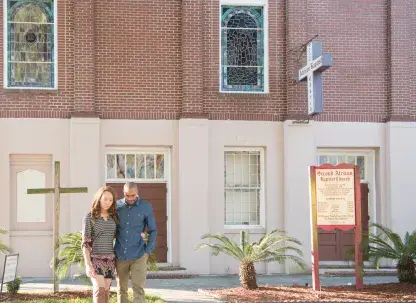
Savannah's Historic Second African Baptist Church, located on Greene Square, was built in 1802.

A vibrant epicenter of culture, commerce and history Built in 1755, Savannah's famous City Market100


Savannah sits on the edge of the Atlantic Ocean, and the multitude of rivers and streams that flow...
Whether you’re interested in history, art, or architecture, you’ll find something you love while...
