
Hiking Trails in Savannah, Georgia - Scenic Walks & Nature Paths
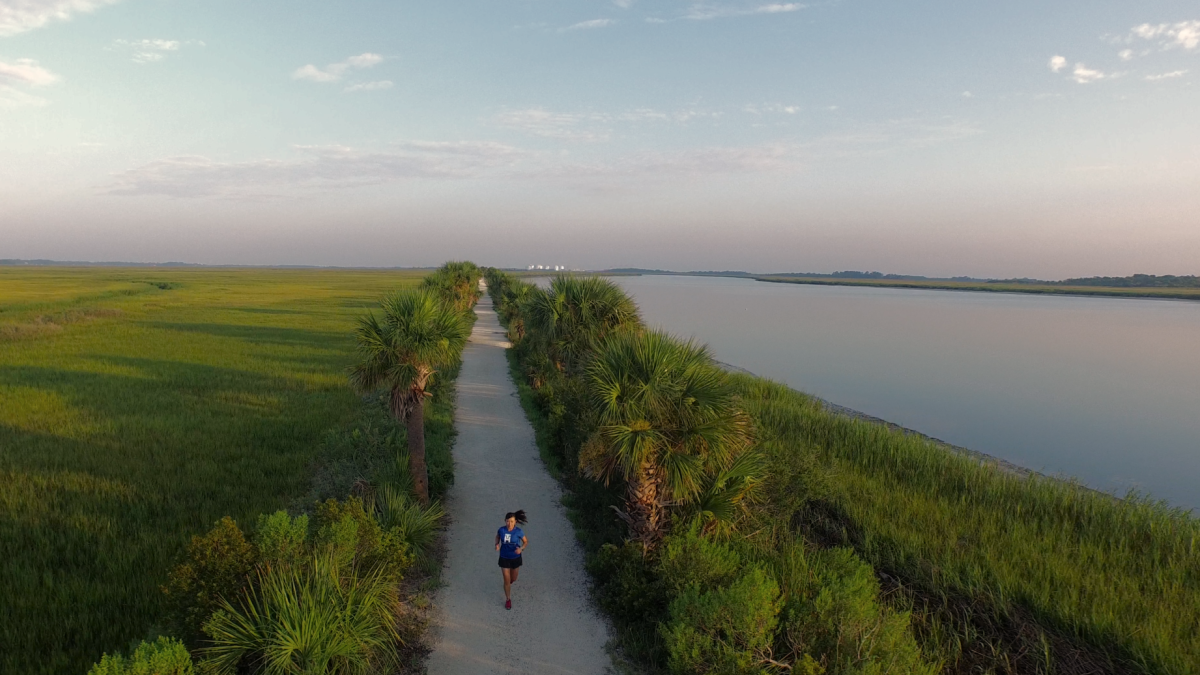
Savannah is best experienced outdoors, and our coastal landscape offers no shortage of scenic places to stretch your legs. From marshside paths and moss-draped forests to peaceful riverside trails, these Savannah-area hikes invite you to slow down, breathe deep and explore the Lowcountry one step at a time.
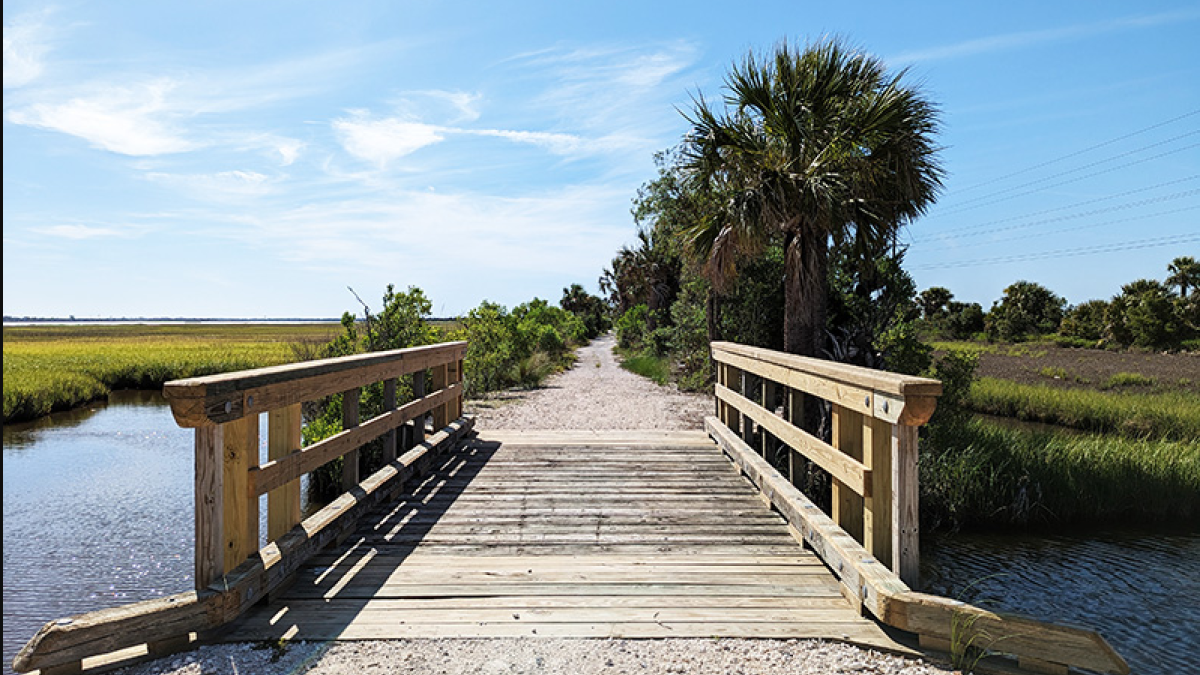
McQueen’s Island Trail
McQueens Island Trail
Built on a former stretch of the Savannah & Atlantic Railroad line, the 6-mile McQueen’s Island Historic Trail offers a flat, coastal path with sweeping marsh views and salty breezes for nature lovers and history buffs alike.

Savannah & Ogeechee Canal Historic Trail
Savannah and Ogeechee Canal Trail
Located just off Highway 204 a few miles west of I-95, the Savannah & Ogeechee Canal offers shaded woodland trails that wind alongside the historic waterway, making it a peaceful place for a leisurely nature walk.

Skidaway Island State Park
Skidaway Island State Park Trails
Skidaway Island State Park features several scenic hiking trails ranging from one to three miles, winding through maritime forests, tidal creeks and sweeping salt marsh views.

Tom Triplett Community Park has a scenic lake.
Tom Triplett Park Trail
Located about 20 minutes from downtown Savannah in Pooler, this six-mile lakeside trail loops around Tom Triplett Park, offering a flat path perfect for walking, biking and enjoying peaceful water views.

Photo courtesy of Fort McAllister State Park Facebook page.
Fort McAllister State Park Trails
Located along the banks of the Ogeechee River, Fort McAllister State Park offers 4.3 miles of scenic trails that wind through moss-draped live oaks, salt marsh and coastal forest.
Whether you're wandering through maritime forests, strolling along marsh-lined paths or discovering quiet trails just beyond the city, lace up your walking shoes and discover even more fresh-air adventures with our guide to outdoor activities in Savannah.
Savannah Hiking FAQs
The Savannah River runs through Savannah, forming a natural border between Georgia and South Carolina. For sweeping views of the river and surrounding marshland, stroll along McQueen’s Island Historic Trail (temporarily closed) that runs next to the south channel of the river. Or, for a more relaxing way to soak in river views and passing ships, settle in at a River Street restaurant.
Yes, there are alligators in Savannah, and you might even spot them swimming in the river or basking in the sun along the shore. Alligator attacks are statistically rare, and left unprovoked, they tend to mind their own business. If you’re seeking wildlife sightings, visit the Oatland Island Wildlife Center, a 100-acre preserve set in a maritime forest that’s home to about 40 species, like American alligators, white-tailed deer, bobcats and more. Or visit the Tybee Island Marine Science Center’s live animal exhibits and a touch tank.
The Savannah River provides drinking water for more than one million people, creates hydroelectricity through three major dams, contains one of the largest container shipping ports in the country, and serves as a diverse wildlife habitat. The best way to learn all about the Savannah River is to take to the water. Check out Savannah Harbor Cruises options for one that piques your interest.
Savannah is not below sea level, and most of the city sits between 20 to 40 feet above. However, the proximity to the coast provides plenty of opportunities to enjoy the outdoors along Savannah’s waterways.
The Savannah River flows past the city of Savannah, before meeting the Atlantic Ocean near Tybee Island.
The Port of Savannah is an active shipping container port, the highest volume port in the nation, with more than 50 piers, wharves and docks. While the port itself isn't open to the public for safety and security reasons, you can still get a first-hand look on a guided Outside Savannah Port Tour. You'll travel from Savannah's Historic Riverfront upriver to the Georgia Ports Authority. Your captain will explain the workings of the port as you take in harbor views and watch enormous cargo ships in action.
Promoted Content
Plan Your Visit
You May Also Like

Shannon, Savannah's Irish Hunter, is on the hunt for the city's Celtic heritage and Irish year-round...

Think you know everything about Savannah? Test your knowledge with our Savannah crossword puzzle...


Savannah, Georgia has been a thriving port city since it's inception in the early 1700s. Savannah's...
In Savannah, we tend to fall for the stories many wouldn't consider "mainstream." On the surface...